















With the RTX 5070 Ti, NVIDIA has now launched a new graphics card on the market that is intended to position itself in the mid-range and promises both performance and modern features. The MSI RTX 5070 Ti Ventus 16 GB is available for me to test today (the better OC models will be available tomorrow). Incidentally, the artificial name “Ventus” (unintentionally?) evokes associations with fans and a fresh breeze, but in this case it is more likely to be understood as a reference to the acoustic presence of the card. Today’s test will show whether the performance justifies the MSRP compromise in terms of volume.
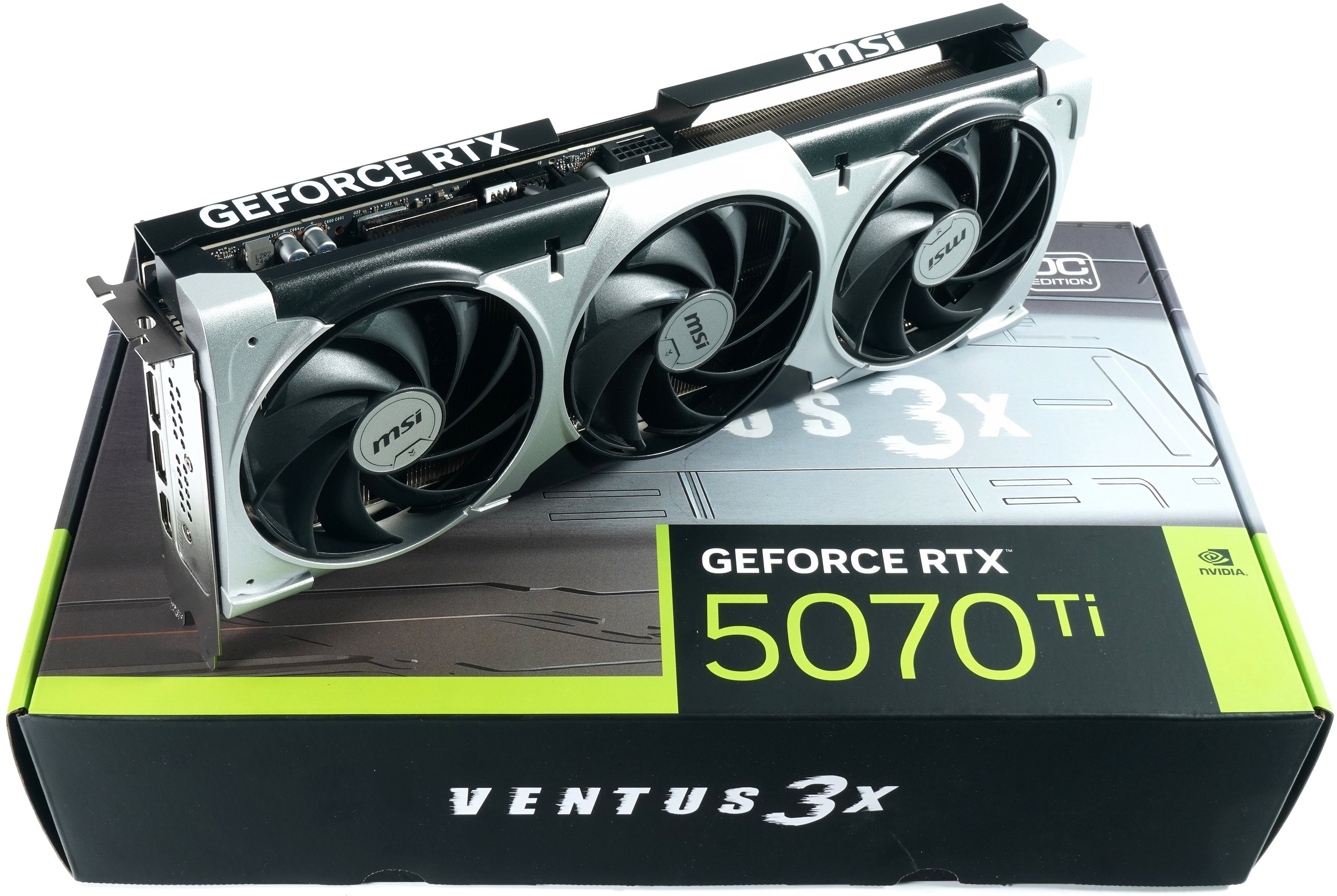
The recommended retail price (RRP) for the NVIDIA GeForce RTX 5070 Ti in Germany is €879. However, initial retailer listings indicate that the actual sales prices at market launch on February 20, 2025 could be significantly higher than the RRP. For example, the German retailer Caseking lists various custom models of the RTX 5070 Ti with prices between €1,149 and €1,399, which corresponds to a premium of around 31 to 59 percent over the RRP. It is therefore to be expected that the MSI RTX 5070 Ti Ventus 16GB will also be offered at higher prices at a later date or will at least sell out quickly.
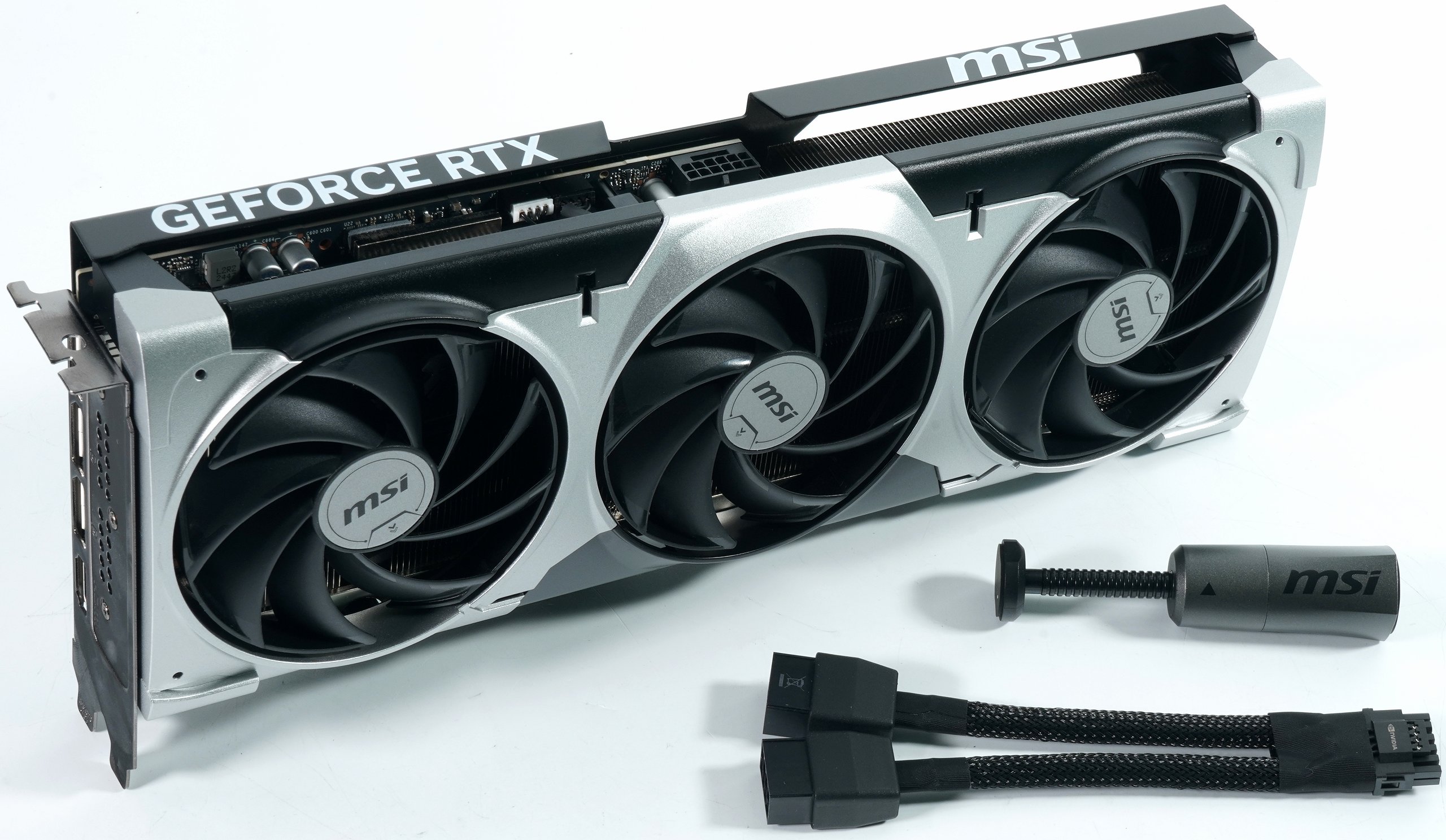
The NVIDIA RTX 5070 Ti is primarily aimed at demanding PC gamers who are looking for high performance at 1440p and 4K resolutions without entering the price range of high-end models. It appeals to users who want to play the latest AAA games smoothly at high to maximum graphics settings, but are looking for good value for money. The card is also of interest to content creators who can benefit from the increased performance in applications such as video editing, 3D rendering or AI-supported processes.
With its 16 GB of video memory, it offers at the moment sufficient capacity for memory-intensive workloads and good gaming experiences. And without spoiling anything else in advance: the noise level of the MSRP variant is likely to put off those who value particularly quiet operation, which makes it particularly attractive for gamers with headsets or users in less noise-sensitive environments. Incidentally, this is likely to apply to most models trimmed to be “affordable”.
It was, as always, a feat of strength and I have also completely adapted the game selection and expanded it to a total of 11 games in five different settings each. There is also a brand new test system and updated metrics. The GeForce RTX 5070, which will follow shortly, will then be added in the same way.
Another follow-up to the review will focus on workstation performance and professional applications. This part has been split off as a separate article, because due to driver problems and other technical details that needed to be clarified, some tests were postponed again by me in order to ensure a fair and comprehensive evaluation. After all, if there is a changed driver after all, I won’t save myself the trouble of retesting, but I will save myself the superfluous export of extensive chart graphics. And so I can include today’s GeForce RTX 5070 Ti and the upcoming GeForce RTX 5070 and Radeon RX 9070(XT) and thus save redundant content.
But that shouldn’t stop me from comparing the new card today, especially with the GeForce RTX 4070 Ti Super (even as an OC card, because I’m mean) in particular and the entire Ada lineup of matching Super cards in general. I’m also leaving out Ampere this time due to time constraints, but since there are enough comparisons between Ada and Ampere on my site, this is certainly easy to get over.
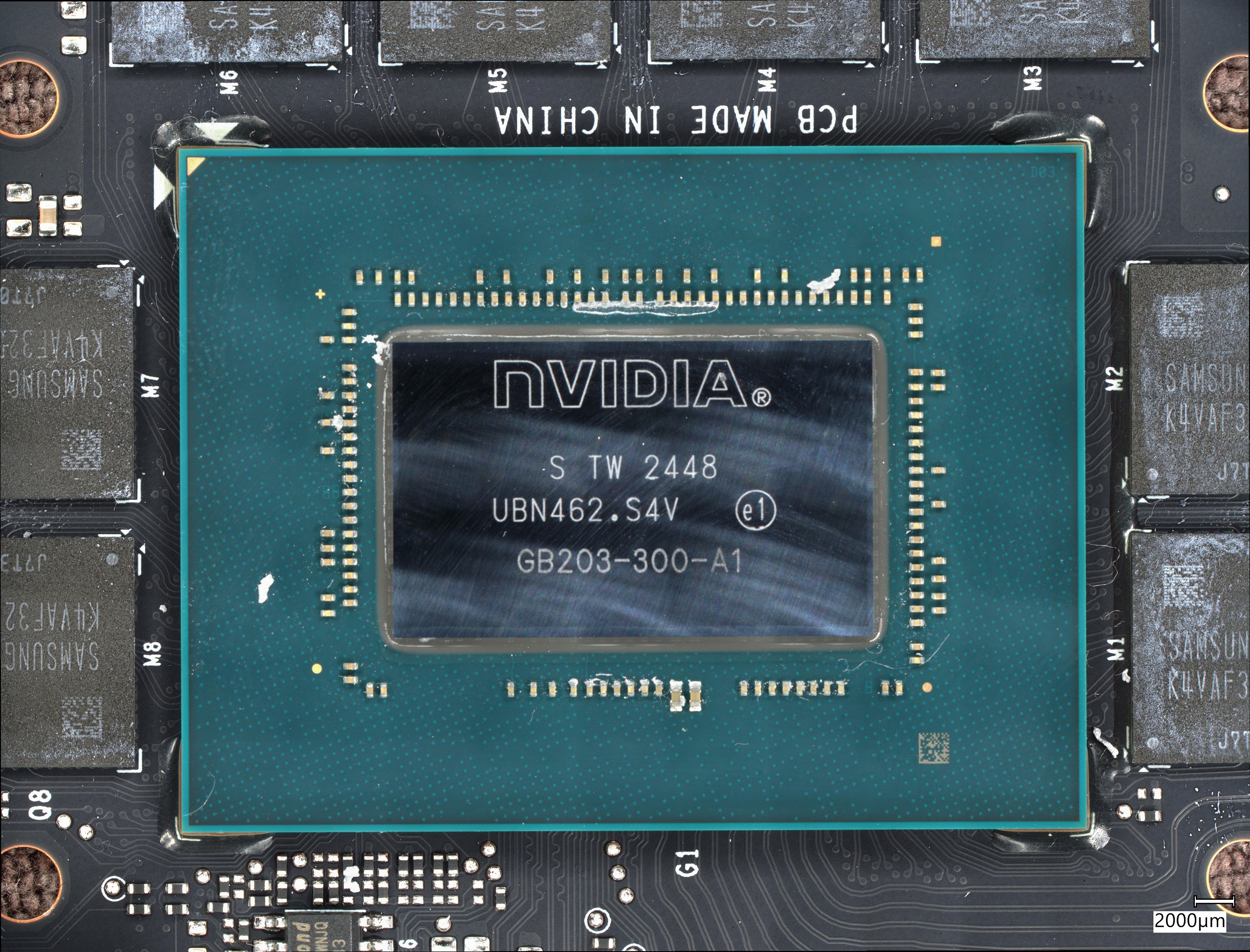
The GB203-300-A1 GPU in detail
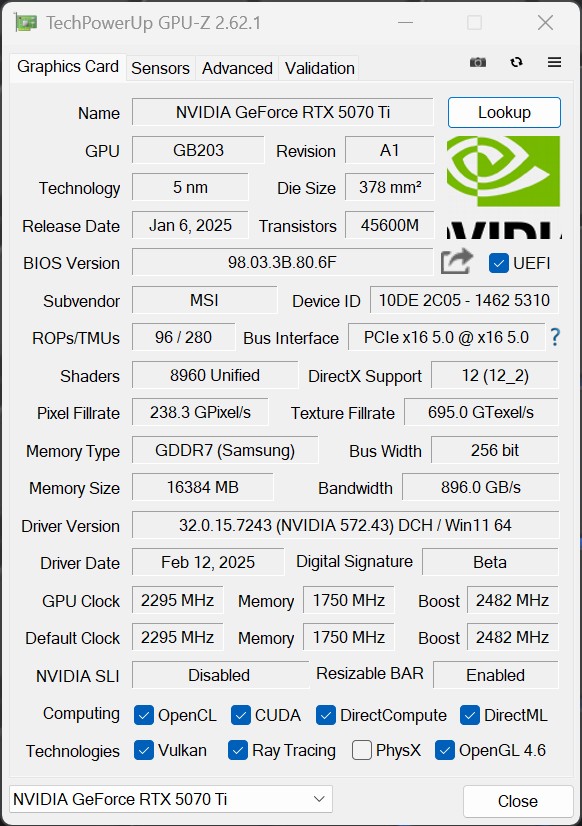
The NVIDIA GeForce RTX 5070 Ti is based on the GB203-300-A1 graphics processor, which is part of the Blackwell architecture. This chip has 8,960 CUDA cores, 280 texture units and 128 render output units (ROPs). The GPU is equipped with 70 ray tracing cores and 280 tensor cores, which improve performance in AI applications and ray tracing. The GPU base frequency is 2.3 GHz and can reach up to 2.45 GHz in boost mode.

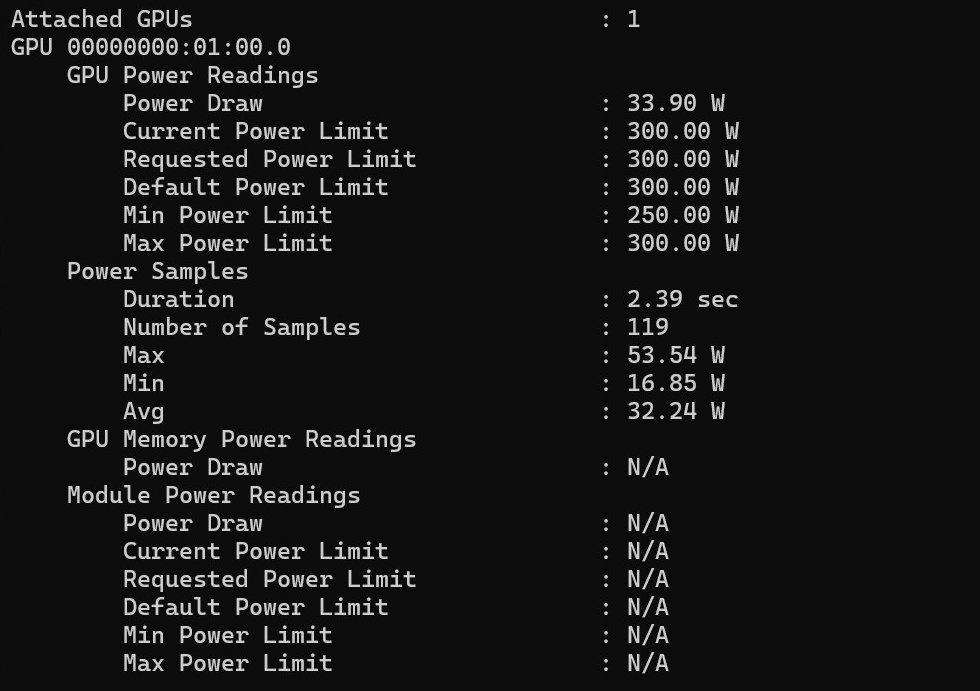
The card is equipped with 16 GB of GDDR7 memory, which is connected via a 256-bit memory interface and offers an effective memory bandwidth of 896 GB/s. The power consumption (TDP) of the RTX 5070 Ti is 300 watts. A 16-pin 12V 2×6 connector is used for the power supply.

The GB203-300-A1 chip is manufactured by TSMC using the 5 nm process and comprises around 45.6 billion transistors on a die area of 378 mm². The RTX 5070 Ti is designed for gaming and creative applications and offers support for technologies such as DLSS 4 with Multi Frame Generation, NVIDIA Reflex 2 with Frame Warp and hardware-accelerated ray tracing. It is capable of delivering high frame rates at resolutions up to 4K, making it suitable for the latest AAA games and professional applications.
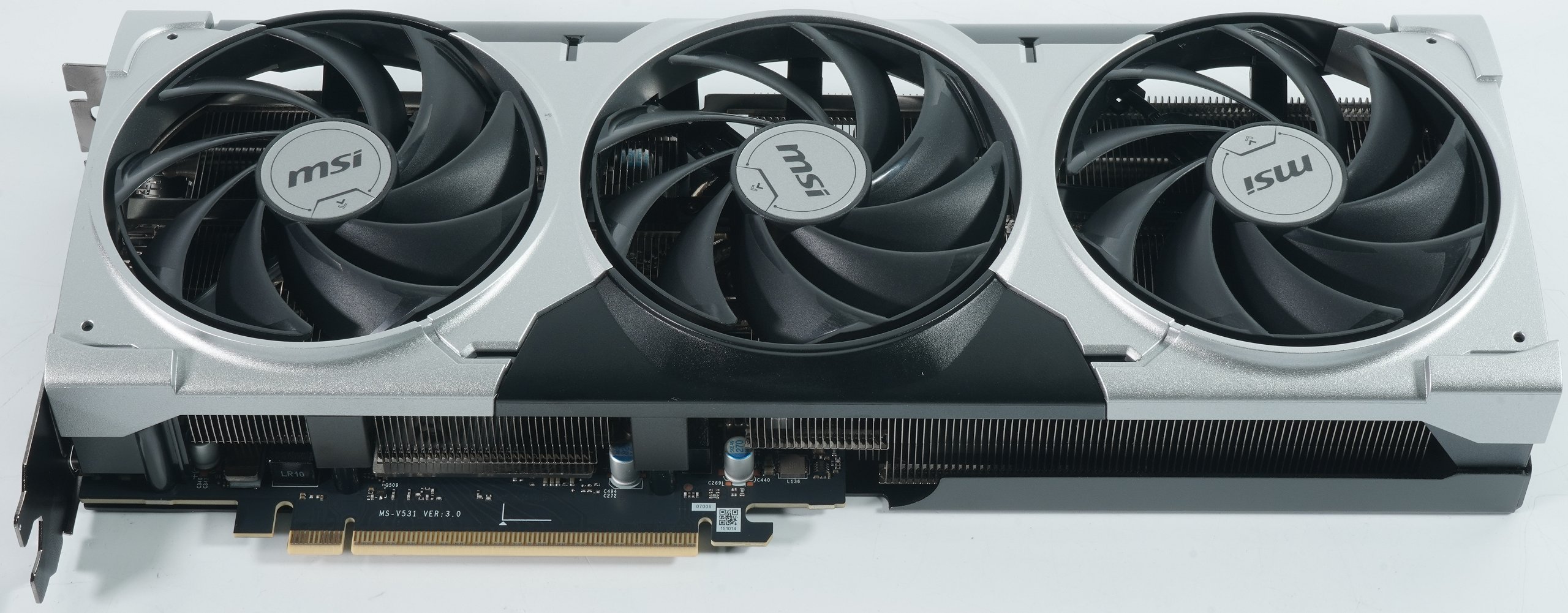
The card weighs just over a kilo (1056 grams) and its dimensions are 310 mm in length (installation length with slot), 110 mm in height (from the top edge of the slot) and 48 mm in installation depth (including backplate). An HDMI 2.1b port and three DisplayPort 2.1b interfaces are available for connecting external devices, while the card is integrated into the system via the PCIe 5.0 x16 interface.
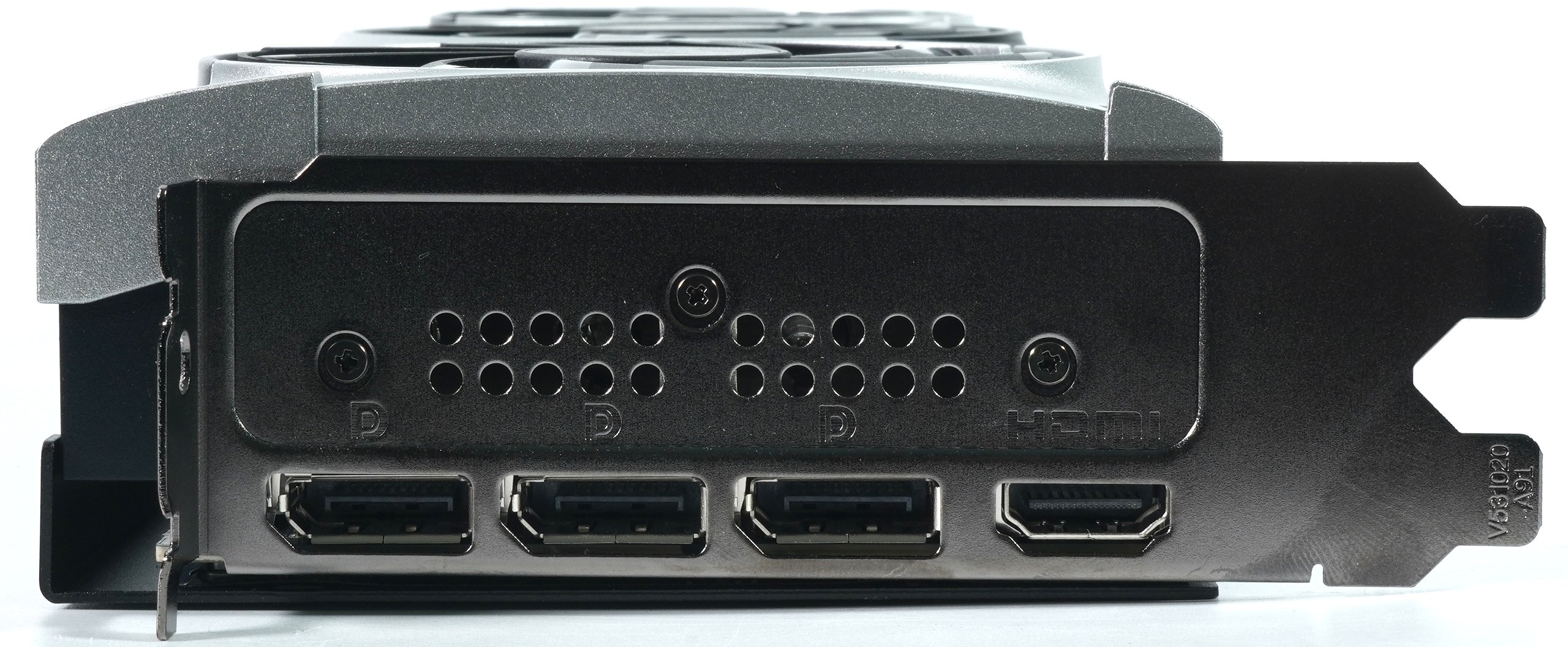
The RTX 5070 Ti supports DLSS 4 and even offers acceptable performance for gaming in 4K at reasonable graphics settings as well as for creative applications such as 3D rendering and video editing. The rest will be determined by the benchmarks.
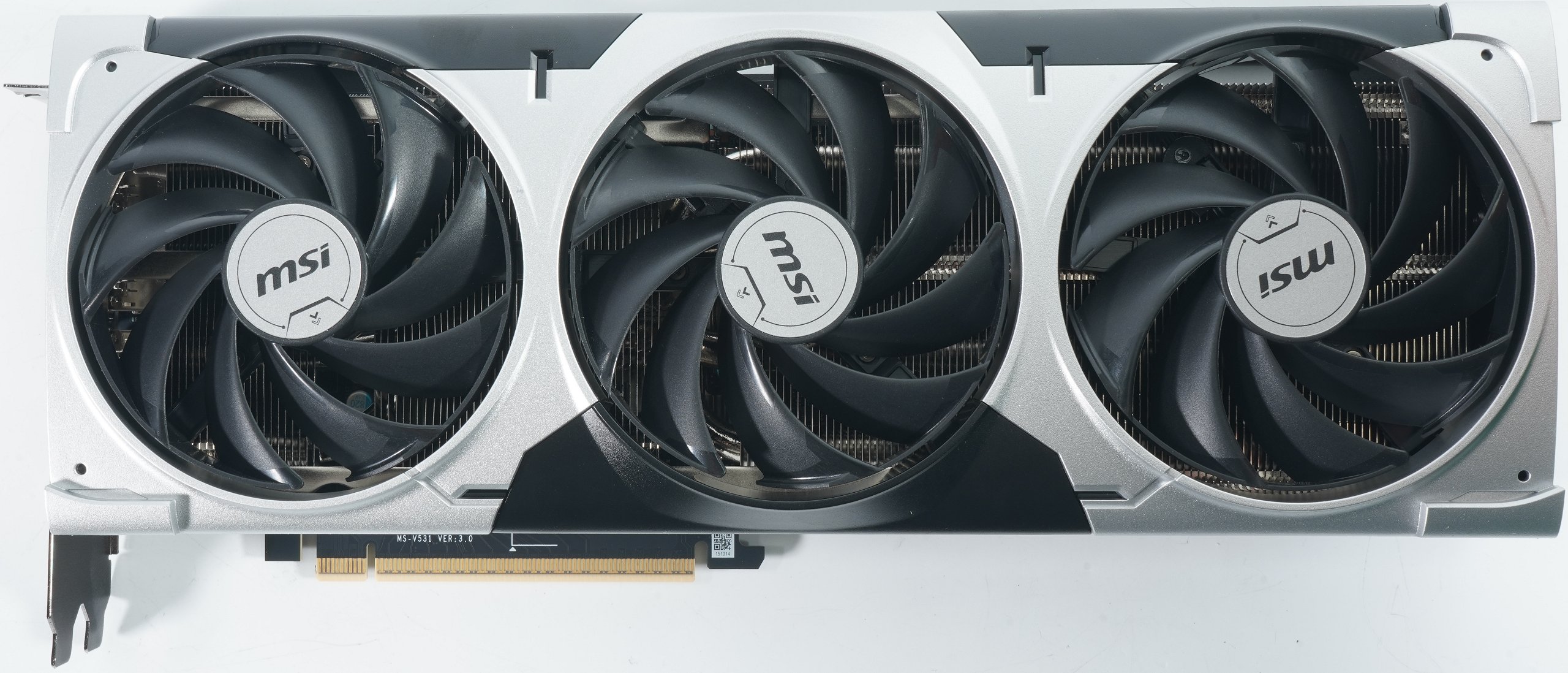
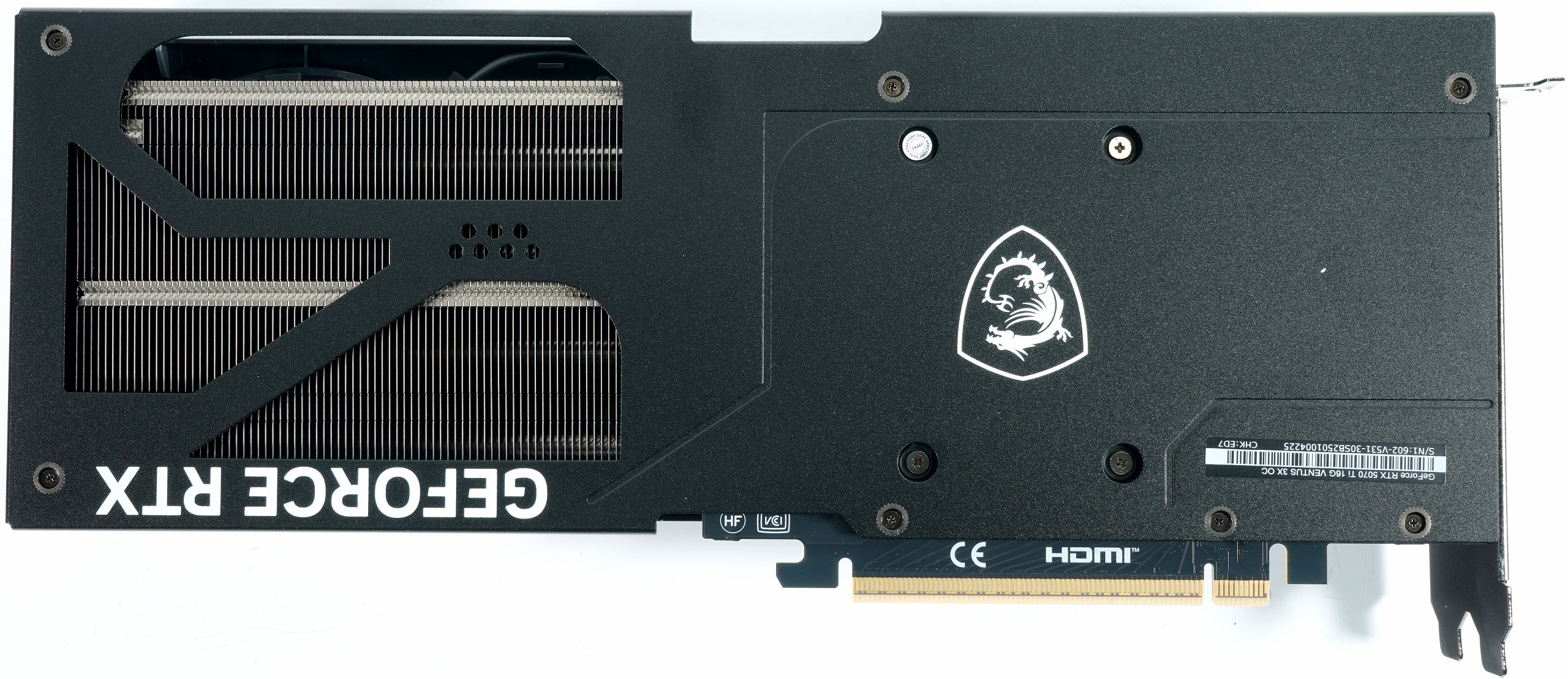
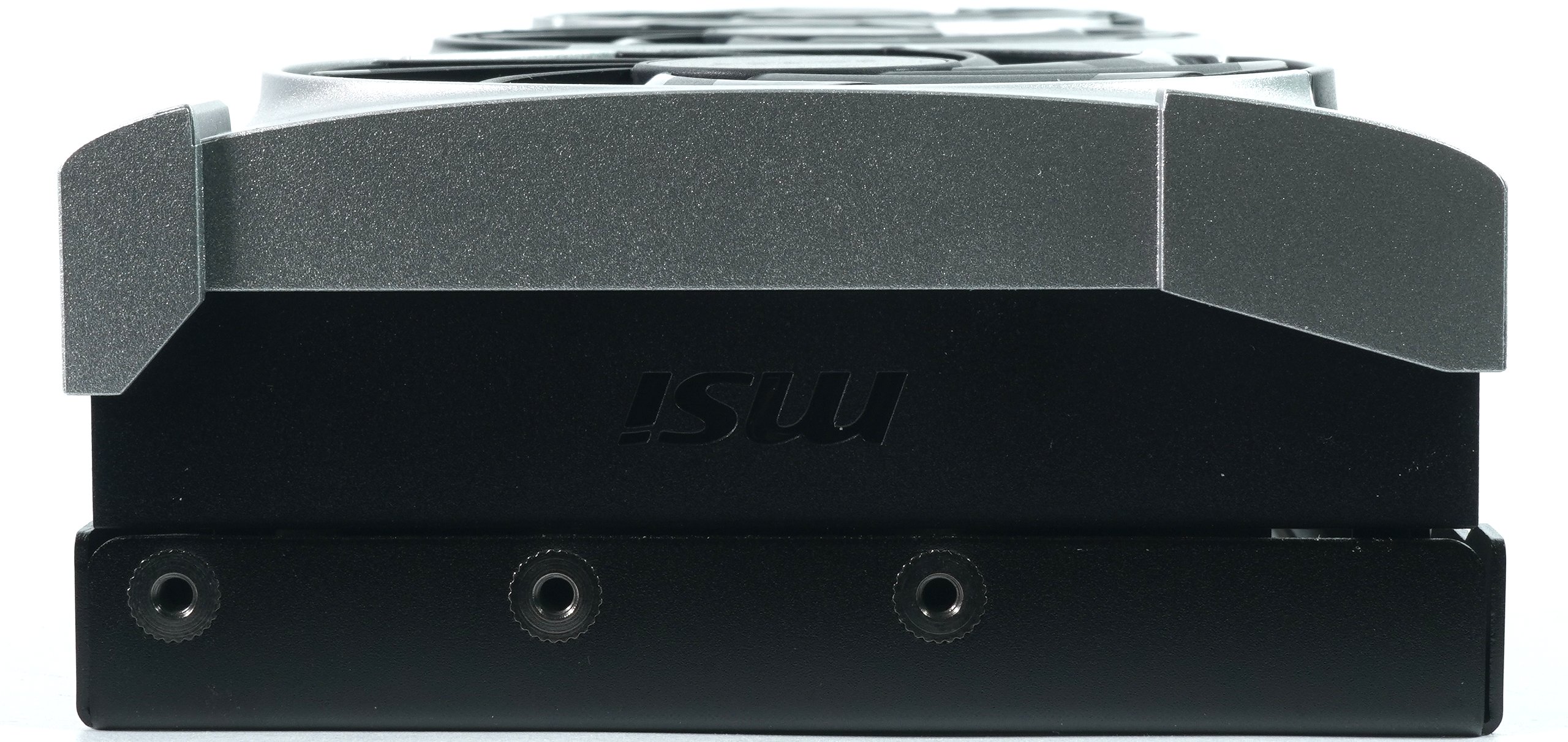
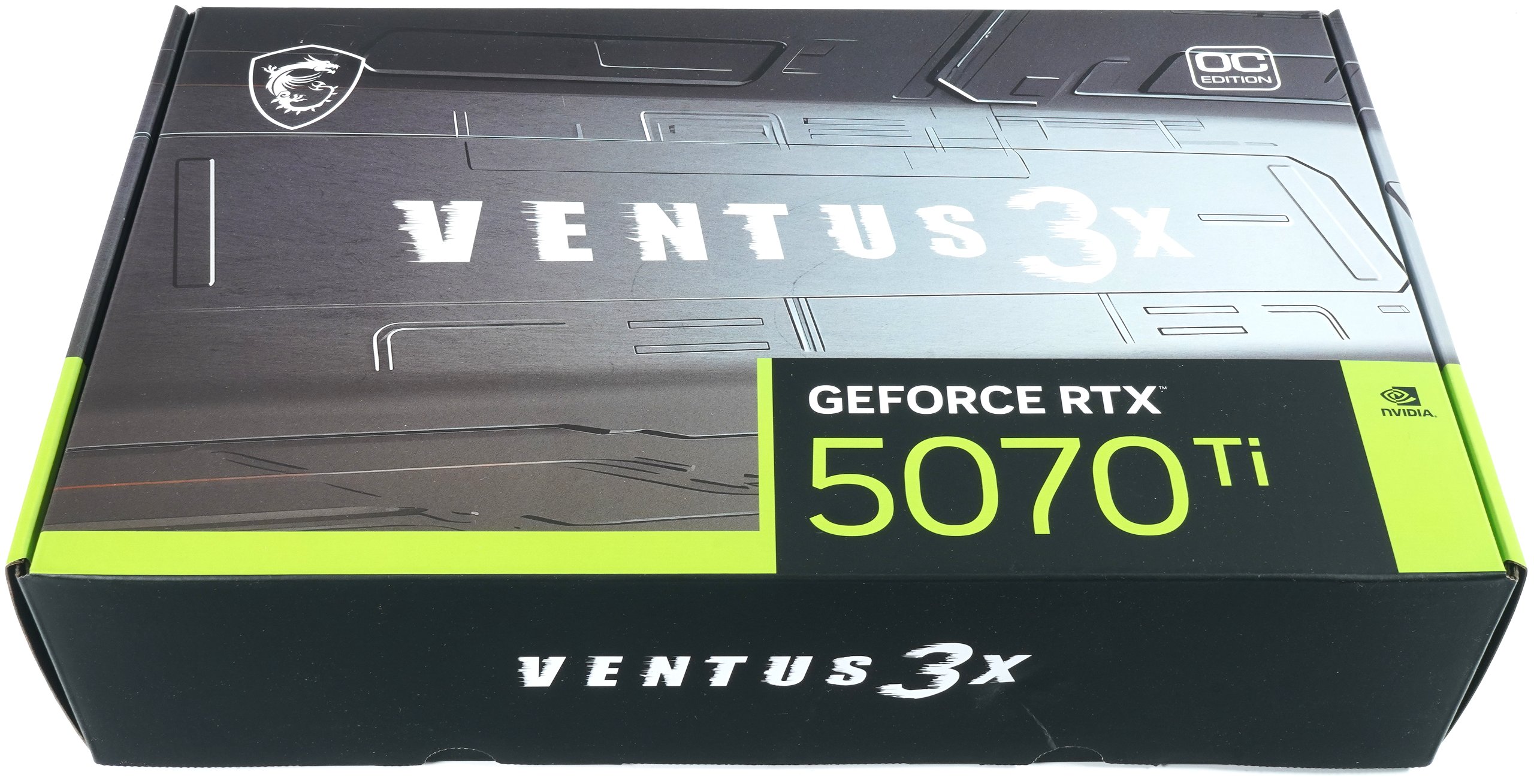
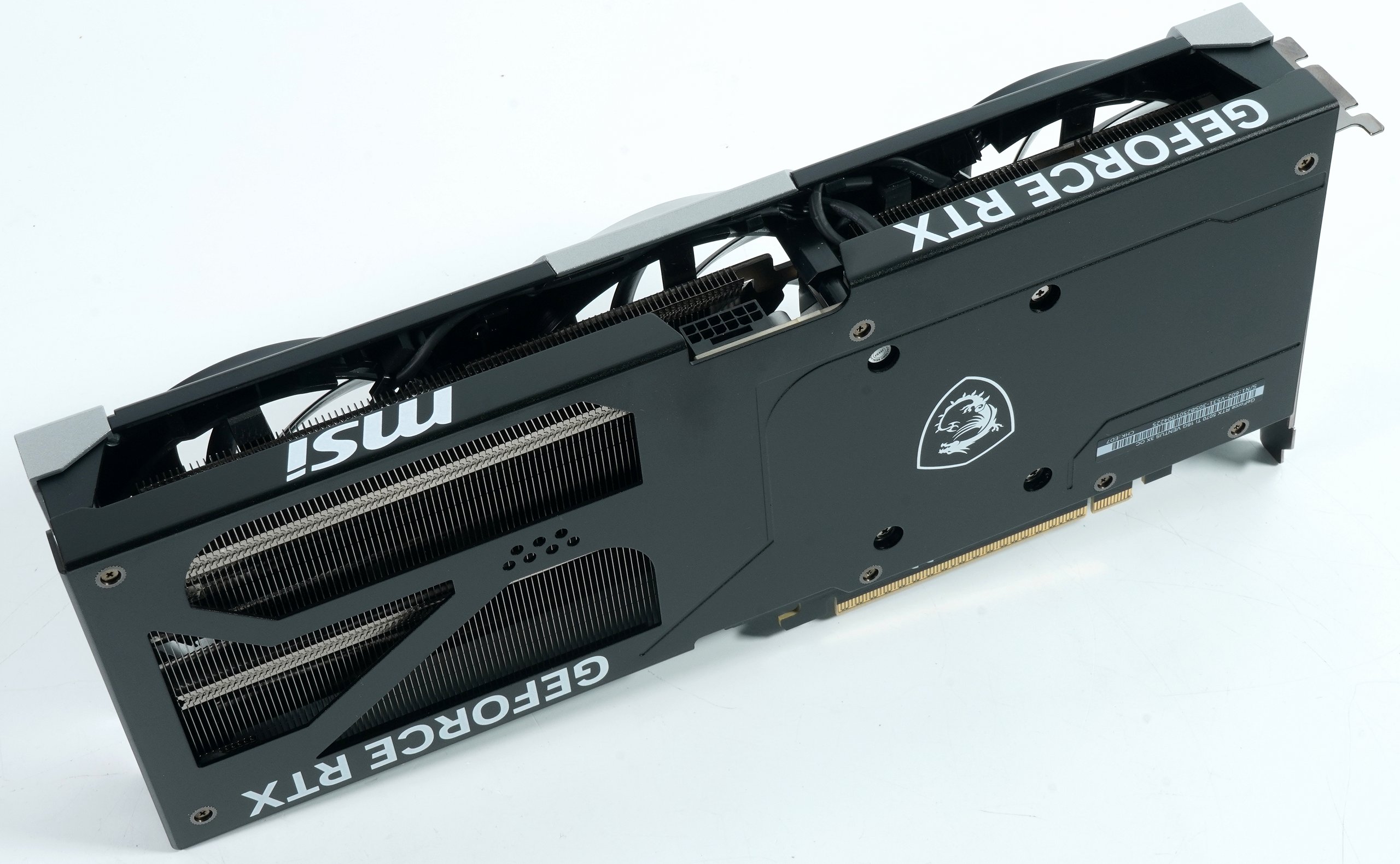
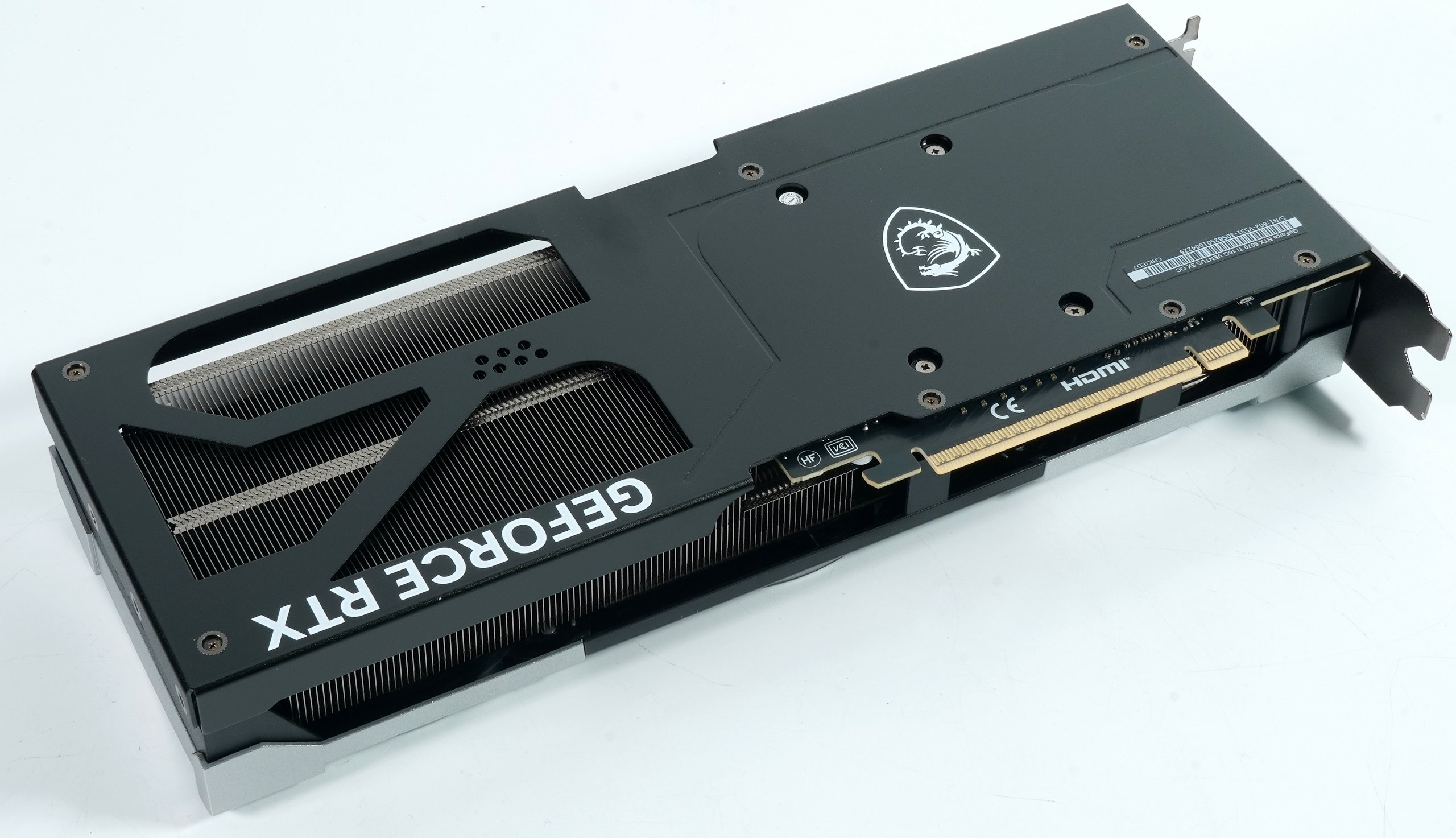
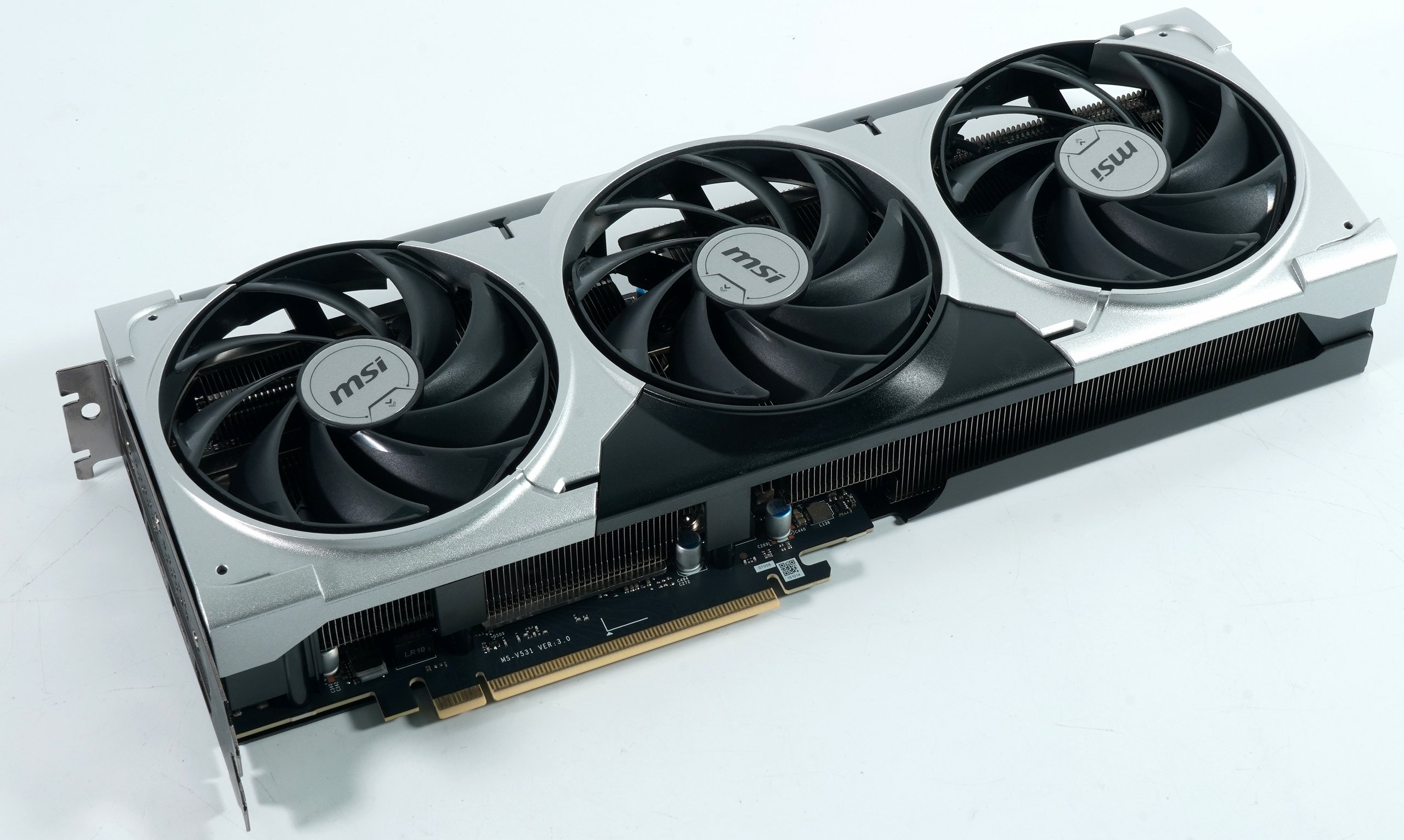
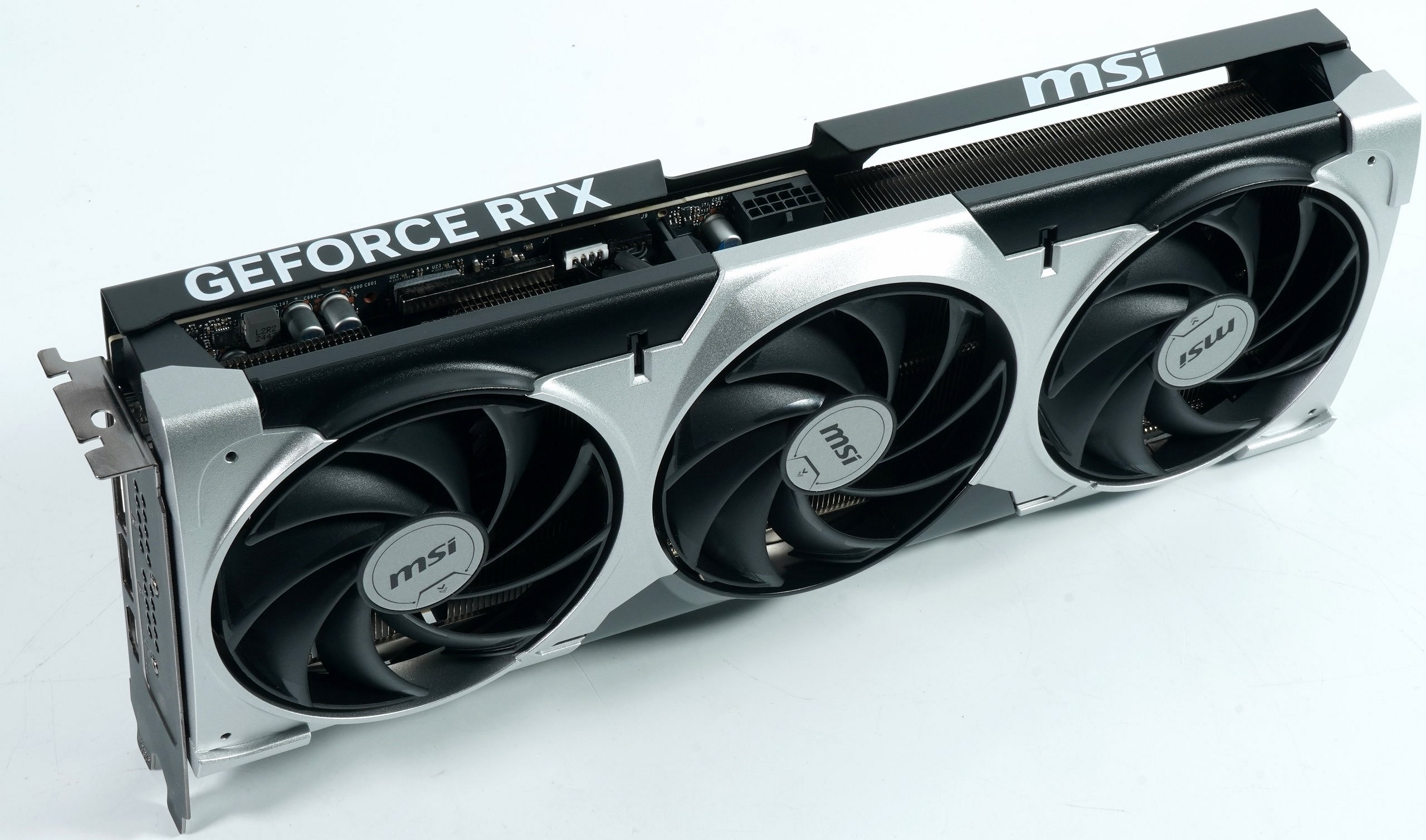
The GeForce RTX 5070 Ti has a Thermal Design Power (TDP) of 300 watts (which can only be increased to 330 watts for OC cards) and is therefore positioned in a range that is unfortunately now typical for upper-class graphics cards.
The GPU-Z screen shows the remaining key data of the card tested today:
I’ll save myself any further architectural descriptions at this point and refer you to my launch article on the RTX 5090 FE and the MSI RTX 5090 SUPRIM SOC, for which I’ll also explain the electrical details in more detail:
|
|

- 1 - Introduction and details of the Blackwell GB203-300-A1 GPU
- 2 - Test system and equipment
- 3 - Teardown: PCB, components and cooler
- 4 - Material analysis and heat conducting materials
- 5 - Gaming: Full-HD 1920x1080 Pixels (Rasterization Only)
- 6 - Gaming: WQHD 2560x1440 Pixels (Rasterization Only)
- 7 - Gaming: Ultra-HD 3840x2160 Pixels (Rasterization Only)
- 8 - Gaming: WQHD 2560x1440 Pixels, Supersampling, RT & FG
- 9 - Gaming: Ultra-HD 3840x2160 Pixels, Supersampling, RT & FG
- 10 - DLSS4 and MFG: Cyberpunk 2077 in detail
- 11 - DLSS4 and MFG: Alan Wake 2 in detail
- 12 - PCIe 5 problems, power consumption in practice
- 13 - Load peaks native vs. DLSS4, PSU recommendation
- 14 - Cooler, temperatures, thermography, noise
- 15 - Summary and conclusion

















85 Antworten
Kommentar
Lade neue Kommentare
Urgestein
Veteran
Veteran
Mitglied
Urgestein
Urgestein
Veteran
Urgestein
Veteran
Mitglied
Veteran
Urgestein
Urgestein
Urgestein
Urgestein
Veteran
Moderator
Urgestein
Mitglied
Alle Kommentare lesen unter igor´sLAB Community →